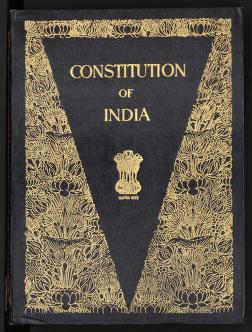
The relationship between the Indian Constitution and the Digital Personal Data Protection (DPDP) Act, 2023, is super important for understanding how India’s laws are changing. Here’s a quick comparison:
Constitutional Foundation: Right to Privacy
- K.S. Puttaswamy Judgment: In 2017, the Hon’ble Supreme Court made a big decision in K.S. Puttaswamy v. Union of India. They said that the right to privacy is a fundamental right under Article 21 (right to life and personal liberty) of the Indian Constitution. This ruling was the starting point for data protection laws in India. It’s the foundation of the DPDP Act.
- Constitutional Mandate: The Constitution gives us the basic framework for our fundamental rights, including the right to privacy. The DPDP Act is meant to make this right real and enforceable in the digital world.
DPDP Act: Putting Constitutional Principles into Action
- Data Protection as a Realization of Privacy: The DPDP Act wants to make sure that organizations handle our personal data in a way that respects our rights and the needs of the organizations that need our data.
- It’s a Legal Way to Make the Constitutional Right to Privacy Work in the Digital World: The DPDP Act is like a law that helps us make sure that our privacy rights are respected in the digital age.
Balancing Rights and Interests:
- The DPDP Act is all about finding a balance between the rights of individuals and the interests of organizations: It’s about making sure that everyone gets a fair say in how our data is used.
- The DPDP Act aims to balance privacy rights with data processing for various reasons, like economic growth, national security, and public interest. It tries to define how data can be used within the constitutional rights of citizens.
Here are some key differences and things to consider:
- The Constitution gives broad principles, while the DPDP Act has specific rules and regulations for data processing.
- The DPDP Act has a Data Protection Board to enforce its rules and make sure people get redress if they have issues.
- There are concerns about how much the government can exempt itself from the DPDP Act and how that might affect people’s right to privacy. This is still being talked about.
In conclusion, the Indian Constitution, especially Article 21, gives people the right to privacy. The DPDP Act is a law that tries to make that right a real thing by setting rules for how personal data is handled. So, the DPDP Act works within the limits set by the Indian Constitution and specifically to protect people’s right to privacy, as decided by the Supreme Court.